Car keys · Toronto
Motorcycle & Scooter Keys in Toronto
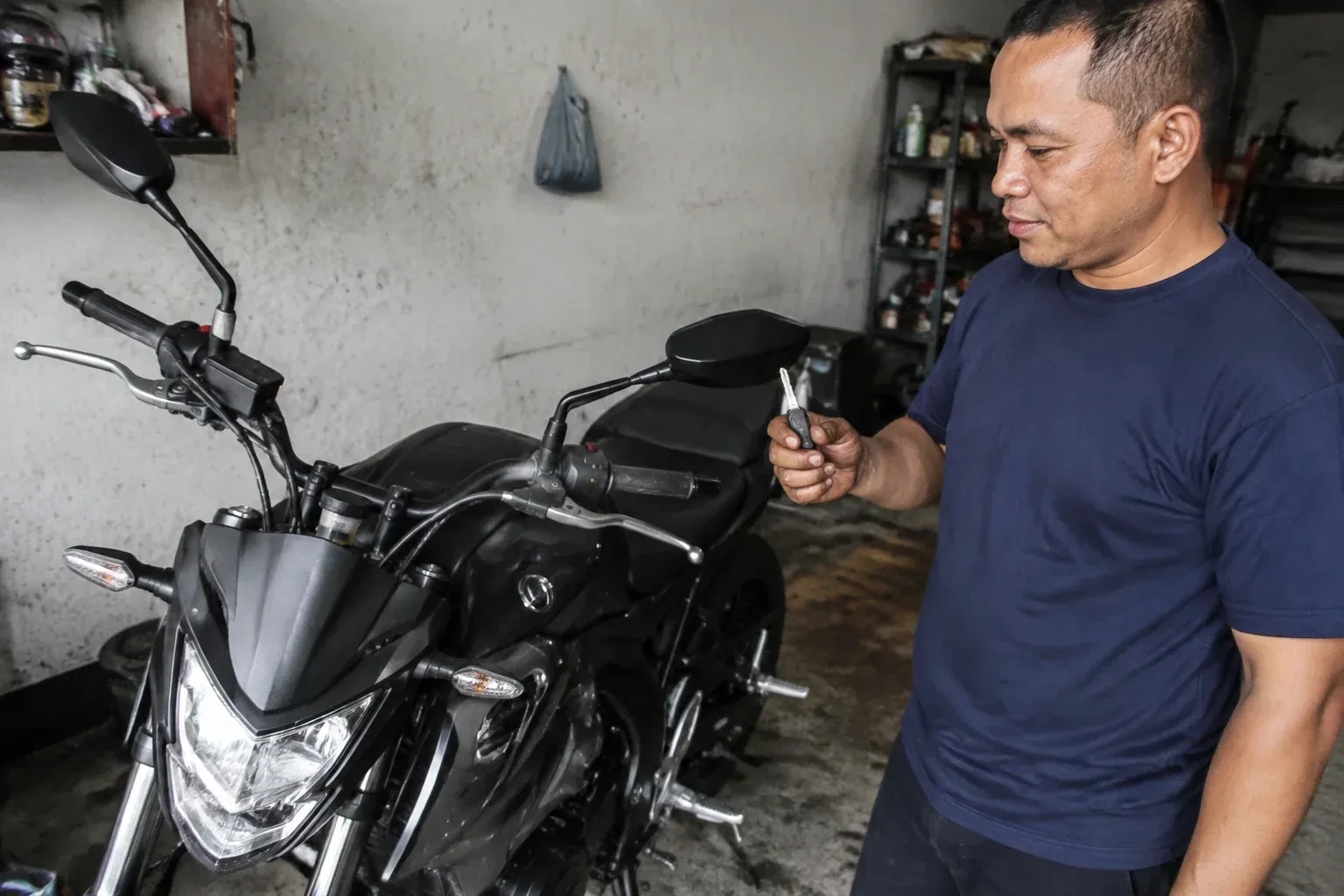
Two keys came with the scooter: one for the ignition and steering, an entirely different one for the seat and the storage compartment underneath it, so opening the seat means carrying twice the metal.
Call now · open 24/7(289) 301-2168In plain words
Locks that sit through a season of outdoor storage or freeze-thaw weather often need more than a fresh key. A steering-head lock that has seized is diagnosed first, then freed with the cleaning method its maker directs and gentle working of the mechanism rather than force on the key, since a harder twist is more likely to snap a blade than move a stuck lock. Once the lock turns freely, cutting or duplicating the key proceeds the normal way, and a season's worth of grit is cleaned out of the mechanism at the same time.
How the visit goesAfter a winter under a cover, the steering lock will not budge. The key seats fully in the barrel, but turning it meets a wall of resistance that no amount of wiggling moves past.
Motorcycle & Scooter Keys · Toronto
How the visit goes
- 1
Checking for an immobiliser
Many machines built in roughly the last two decades carry an electronic layer alongside the mechanical lock: a small chip inside the key that the ignition module checks before allowing the engine to run. The locksmith looks for a coil or ring around the ignition barrel, checks whether the dash shows a security alert with the current key, and asks whether the engine cranks without starting, which can point to a chip that is missing, damaged or unpaired, though ordinary fuel, ignition and compression faults produce the same symptom and are checked too. This decides whether the job is a straightforward cut or one that also needs transponder programming.
- 2
Cutting from an existing key
When a working key exists, even a spare or a worn original, the more direct route is to read its cuts on a code machine or trace them by hand and cut a fresh blank to match. The new key is checked against the old one under a light before it goes anywhere near the ignition, since a slight misread shows up as a key that almost turns but does not quite lift every wafer. Cutting from a known key is usually the shorter part of the visit, leaving more time for any other locks that need the same treatment.
- 3
Noticing trouble early
A key that has begun needing a small wiggle or a lift to turn, on a lock that used to accept it cleanly, is an early sign worth acting on before it becomes a lock that will not turn at all. The same goes for a steering lock that has started to feel stiffer than it used to, or a seat latch that catches before it releases. Addressing any of these while the key still works, rather than after it stops working altogether, is usually the calmer of the two visits.
In the van
- Wafer lock decoder
- Replacement transponder chips
- Manufacturer-approved lock cleaner or lubricant
- Code-cutting machine
- Pick and tension tools
What affects the quote
- 1
Any prior damage or attempts
Any prior attempt at the lock, a failed hardware-store copy or a scratched keyway, may need to be worked around or corrected before a new key can be properly tested, adding to the job.
- 2
Any security upgrade added at the same time
Any additional item chosen during the same visit, such as a disc lock, an alarm, or a lockbox for a spare key, is priced as its own separate addition to the key work.
- 3
Whether a working key already exists
Whether a working key still exists changes the job considerably: cutting or duplicating from one is the more direct route, while decoding a lock with nothing to reference takes longer and shapes the time reflected in the total.
Same fees day, night or weekend.
Motorcycle & Scooter Keys: questions
Do all motorcycles have an immobiliser these days?
Not all of them. Many machines built in roughly the last two decades carry a transponder chip and an ignition module that checks it, but plenty of smaller-displacement bikes, scooters and older machines still use a purely mechanical lock with no electronic layer at all. The locksmith checks for a coil around the ignition barrel and asks how the engine behaves with the current key to tell which type is on hand.
What should I have ready before you arrive?
The make, model and year if known, the VIN if it is accessible, which locks are involved, and whether the engine cranks but does not start, which can point toward an immobiliser issue among other ordinary starting-system causes. Mentioning whether any key at all still exists, even a broken or poorly cutting one, changes what equipment comes along, since working from a key is a different job than decoding a lock with nothing to reference.
How do you tell if it is the transponder chip or just a dead battery?
Where the key itself holds a battery, such as a fob-style key, a simple battery swap is tried first and is the more common explanation for a dead-seeming key. Where the chip sits in a passive key with no battery of its own, the locksmith checks whether the ignition recognises the chip at all using diagnostic equipment, which distinguishes a genuinely failed or unpaired chip from an unrelated electrical fault elsewhere on the machine.
Car Keys
Bigger photo, sooner job: Emergency Book soon Plan ahead
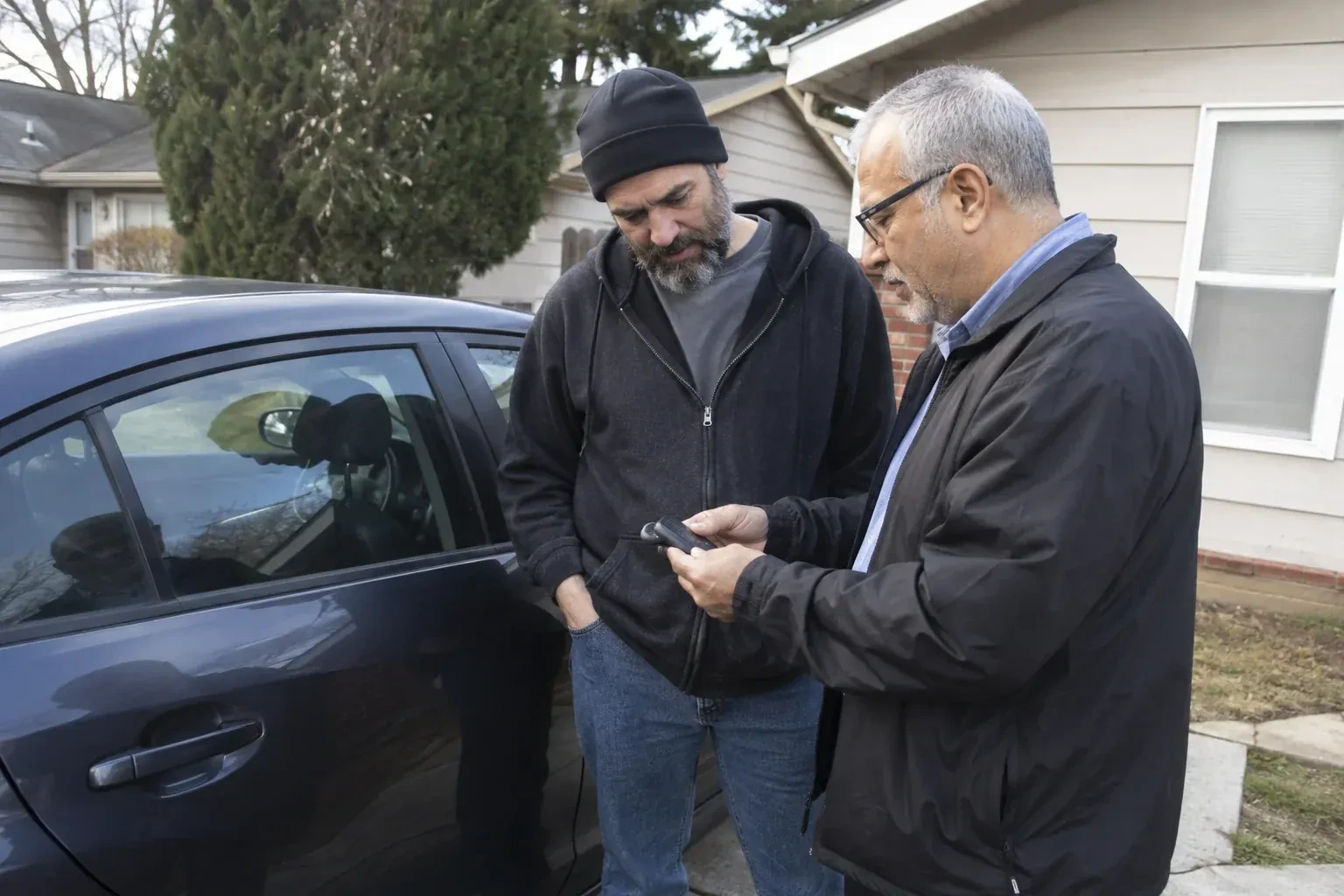 EmergencyCar Lockout ServiceIt is a January morning, minus twenty with the wind, and the key will not enter the door cylinder.
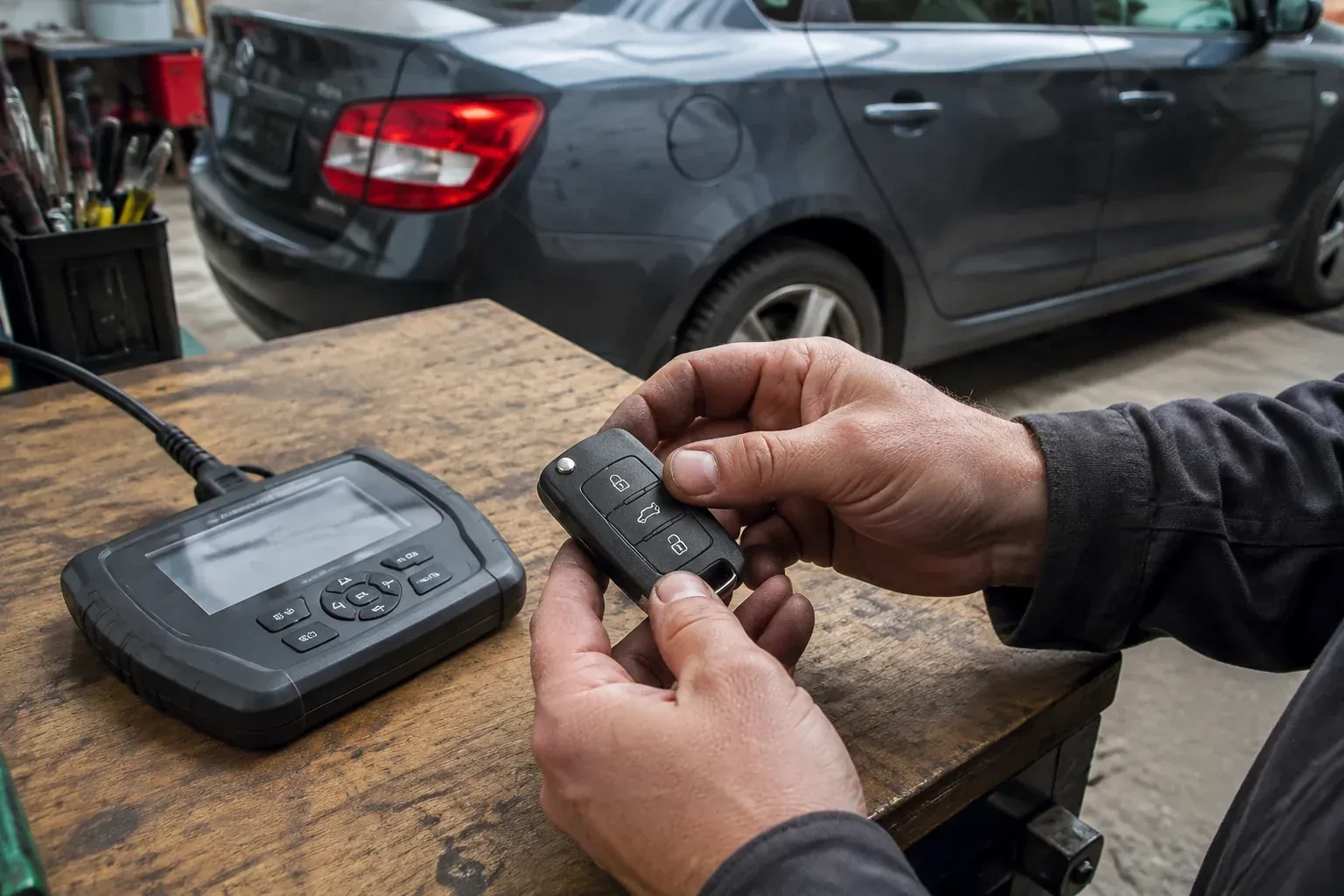 EmergencyCar Key ReplacementMinus twenty outside, the fob button does nothing, and the door keyhole has a crust of road salt over it because you have not…
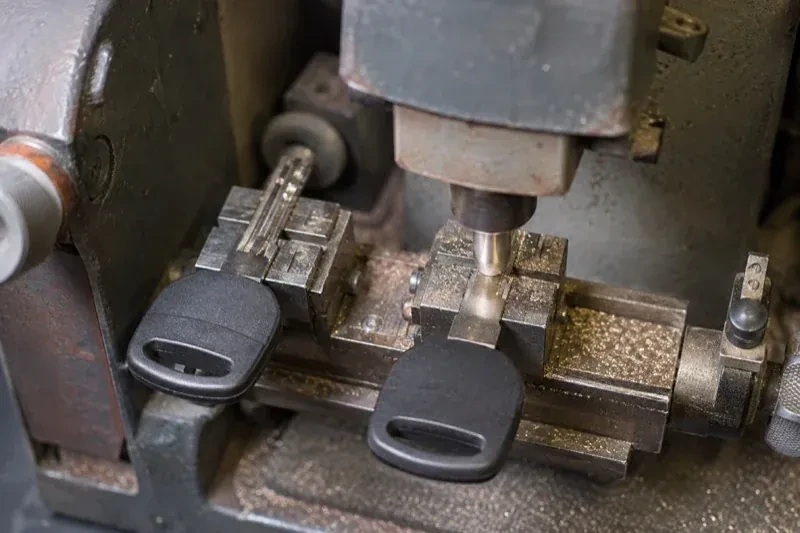 Spare Car Key Duplication
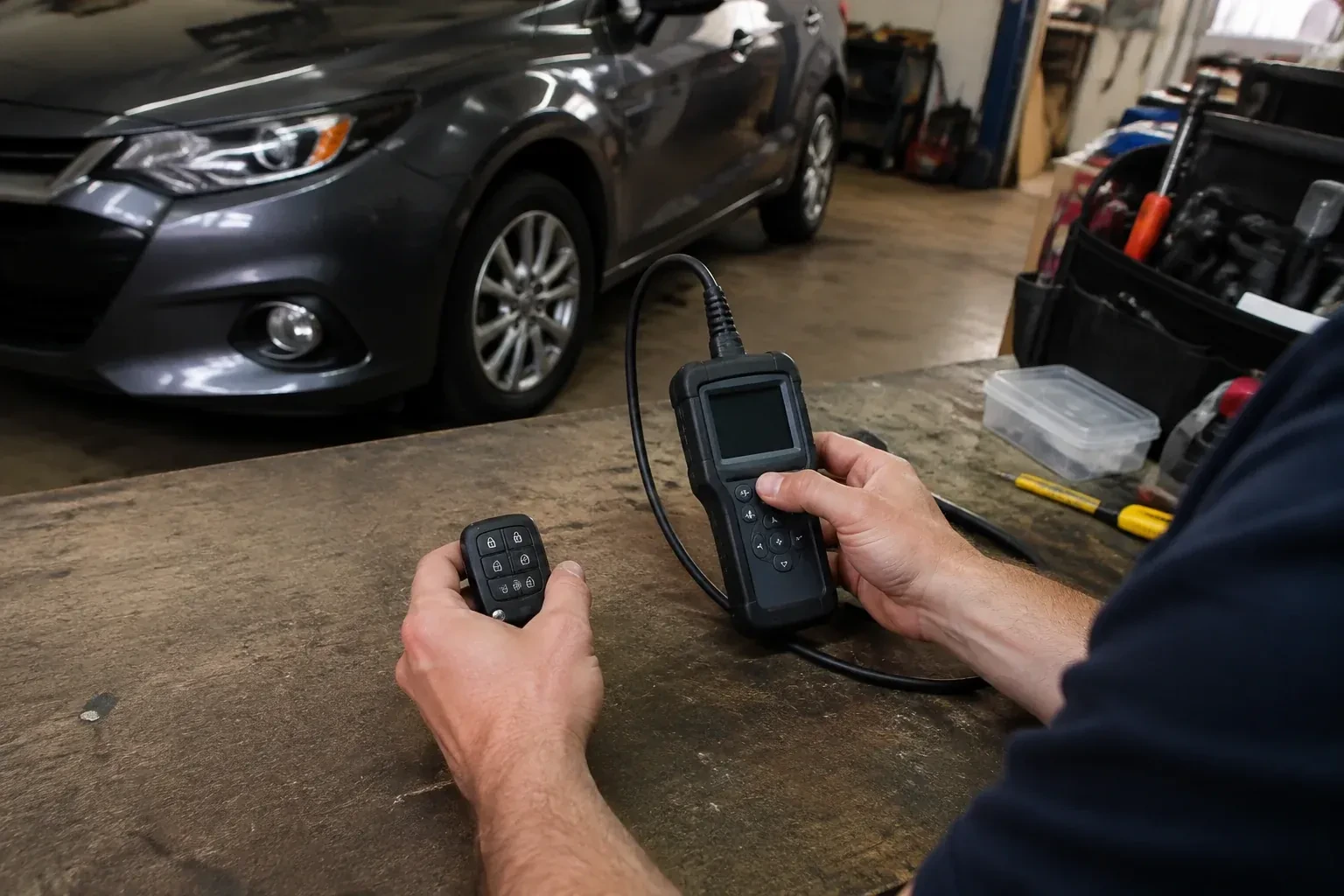 Key Fob Programming
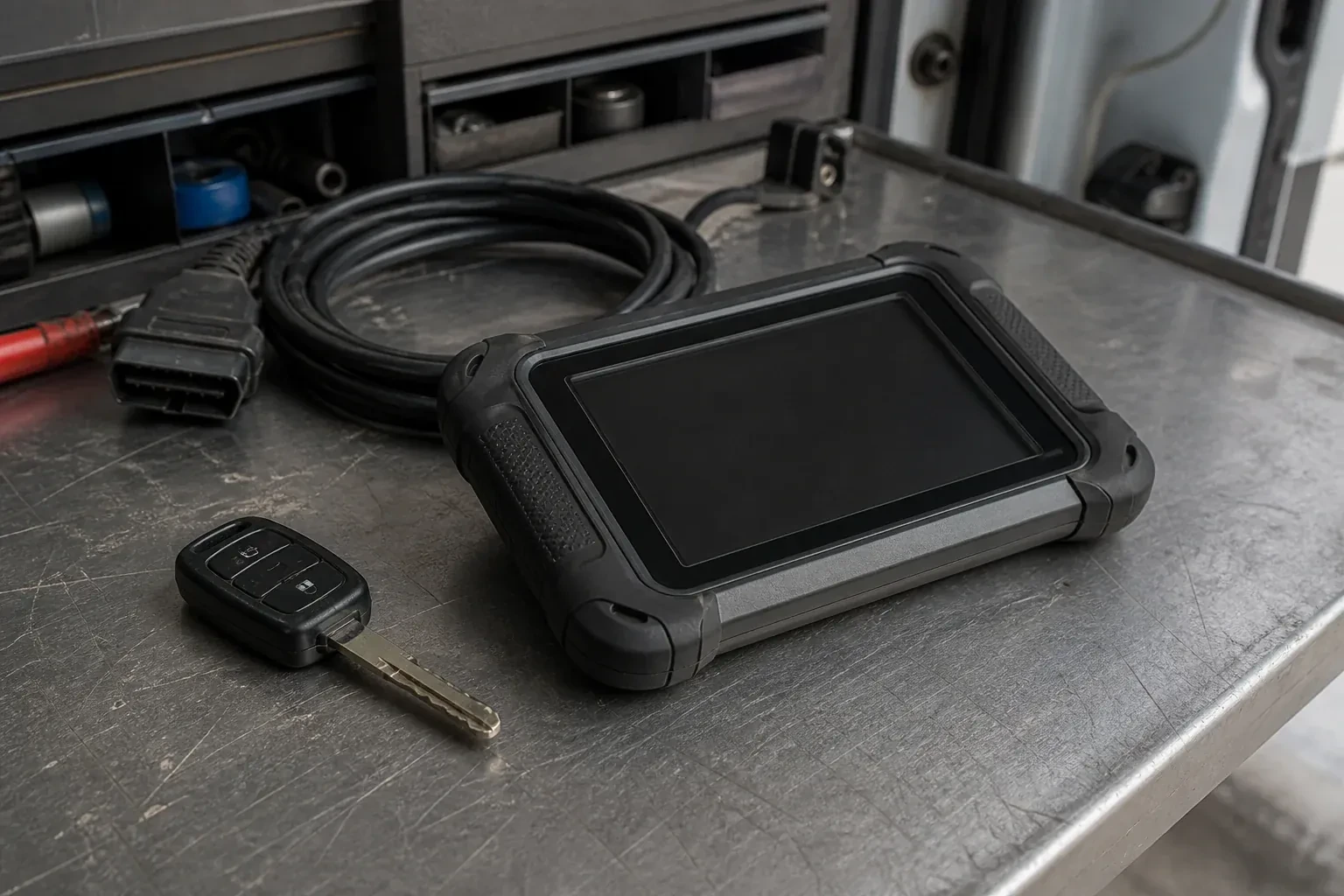 Transponder Key Programming
Motorcycle & Scooter Keys near you
Toronto, Ontario
Toronto information
- Town
- Toronto, Ontario
- In business
- 20 years
- Hours
- Open 24/7 · nights, weekends and holidays, same fees
- Phone
- (289) 301-2168
- Visits
- On-site assessment preferred. Request a visit or call.
What the census means at the door
58%
Older homes. About 58% of homes in Toronto were built in 1980 or earlier, according to the 2021 Census.
Older housing means older frames. Wood that has settled for years leaves strikes slightly out of line, so a bolt drags or needs a lift of the handle. A locksmith expects this and brings the shims, longer screws and strike plates to correct it.
23%
Single-detached houses make up about 23% of homes in Toronto (2021 Census).
Attached housing turns over more often than detached, so rekeying between tenants or owners is a constant. Because suite doors tend to be standard, the job is usually a straightforward pin change and a fresh set of keys cut on site.
Nearby
Open 24/7
Request a visit
Two keys came with the scooter: one for the ignition and steering, an entirely different one for the seat and the storage compartment underneath it, so opening the seat means carrying twice the metal.
Call now · open 24/7(289) 301-2168- On-site assessment preferred
- Same fees day, night or weekend
- 20 years in business